

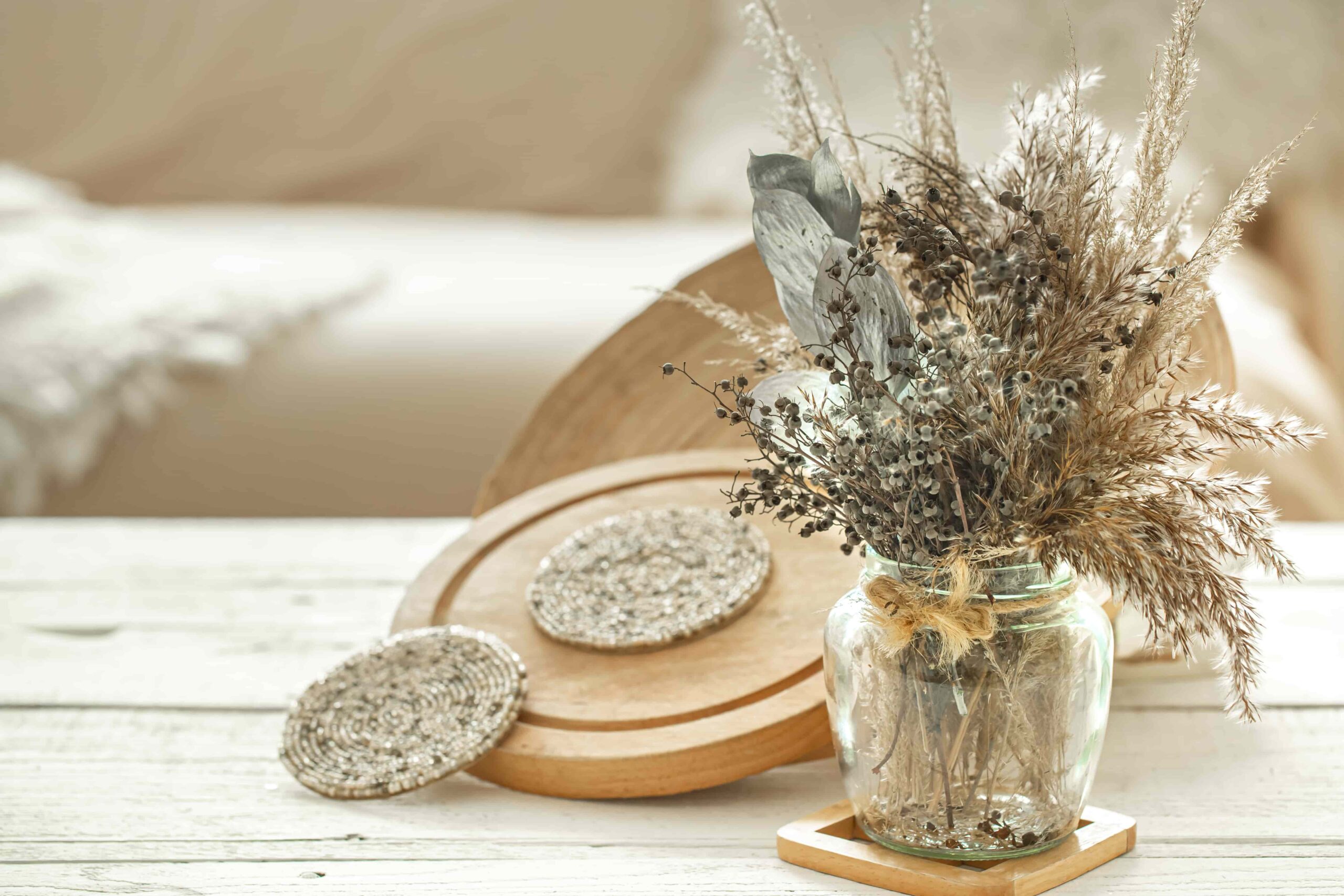
As global awareness of environmental impact grows, more buyers are turning to eco-friendly and sustainable home decor. In Bali, where traditional craftsmanship meets contemporary design, a strong trend has emerged towards sustainable decor items made from renewable, recycled, and biodegradable materials. Let’s dive into the materials and designs leading the way in 2025, with a focus on wholesale options available in Bali that help create eco-conscious and beautiful spaces.
- Bamboo: Versatile, Renewable, and Stylish
Bamboo is one of the most popular materials in sustainable decor, and for good reason. It’s fast-growing, durable, and can be used to create a variety of home furnishings, from furniture to decorative items. Bamboo’s natural strength and aesthetic versatility make it suitable for both indoor and outdoor decor.
In Bali, artisans use bamboo in creative ways, from woven light fixtures to intricate room dividers. Bamboo furniture, such as coffee tables, stools, and shelving, brings an earthy, tropical vibe to any space. With its abundance in Bali, wholesale buyers have access to a rich selection of high-quality, handcrafted bamboo products that appeal to both residential and hospitality markets.
- Rattan: Lightweight and Durable
Rattan is another standout in sustainable home decor. Known for its lightweight, durable, and flexible properties, rattan is widely used in furniture making, particularly for chairs, sofas, and headboards. It is also naturally renewable, as it regrows quickly after harvesting, making it an eco-friendly option that aligns with today’s sustainable standards.
In Bali, skilled craftspeople transform rattan into stunning pieces that blend traditional weaving techniques with modern aesthetics. From intricately woven lounge chairs to chic, minimalist pendant lights, rattan decor has a timeless appeal that suits a variety of interior styles. Wholesale buyers looking to supply eco-friendly options will find a wealth of unique, artisan-made rattan pieces that speak to the growing market for sustainable luxury.
- Reclaimed Wood: Rustic and Resourceful
Using reclaimed wood reduces waste and preserves the environment by repurposing wood from older structures. This material is particularly valuable for creating rustic, character-filled pieces that tell a story. Each piece of reclaimed wood furniture is unique, carrying subtle imperfections that enhance its charm and authenticity.
In Bali, artisans turn reclaimed teak, mahogany, and suar wood into impressive statement pieces like dining tables, cabinets, and wall art. These items not only support sustainability efforts but also bring warmth and depth to any interior space. Wholesale buyers sourcing in Bali have access to a wide range of reclaimed wood decor, perfect for clients seeking eco-conscious, high-quality items with a one-of-a-kind aesthetic.
- Organic Textiles and Plant-Based Fibers
Beyond furniture, organic textiles like linen, hemp, and cotton are gaining traction in sustainable decor. Bali’s artisans use these textiles for a variety of decor items, including cushions, throws, and wall hangings, often dyed naturally using plant-based methods. Plant-based fibers like jute and seagrass also make for beautiful, biodegradable rugs and baskets, adding a layer of texture and sustainability to any space.
Why Bali is the Ideal Source for Sustainable Decor?
Bali’s deep-rooted commitment to nature and traditional craftsmanship makes it a top destination for wholesale buyers seeking sustainable decor. The local artisans are adept at blending traditional techniques with eco-friendly practices, ensuring that each piece not only looks beautiful but also aligns with modern values of sustainability.
For retailers and designers, offering eco-friendly decor sourced from Bali can attract environmentally conscious consumers looking for products that reflect their values. The demand for sustainably sourced decor is here to stay, and with Bali’s expertise in crafting items that are as ethical as they are stylish, wholesale buyers have access to decor pieces that truly make a difference.
Final Thoughts
Embracing eco-friendly decor is more than a trend—it’s a commitment to a sustainable future. For 2025, sustainable materials like bamboo, rattan, and reclaimed wood continue to lead in home decor, with Bali offering a unique, handcrafted selection for wholesale buyers. Sourcing these materials not only meets consumer demand but also supports artisans and preserves Bali’s cultural heritage.
By choosing eco-friendly decor, wholesale buyers can contribute to environmental sustainability and offer clients products that bring a touch of Bali’s natural beauty and ethical craftsmanship to homes and hotels worldwide.
1 reply on “Eco-Friendly & Sustainable Decor: What’s Trending for 2025”